Modding Communities Reshaping Multiplayer Dynamics in Browser Strategy and Adventure Games
Written by Ben Butler · Oct 23, 2026
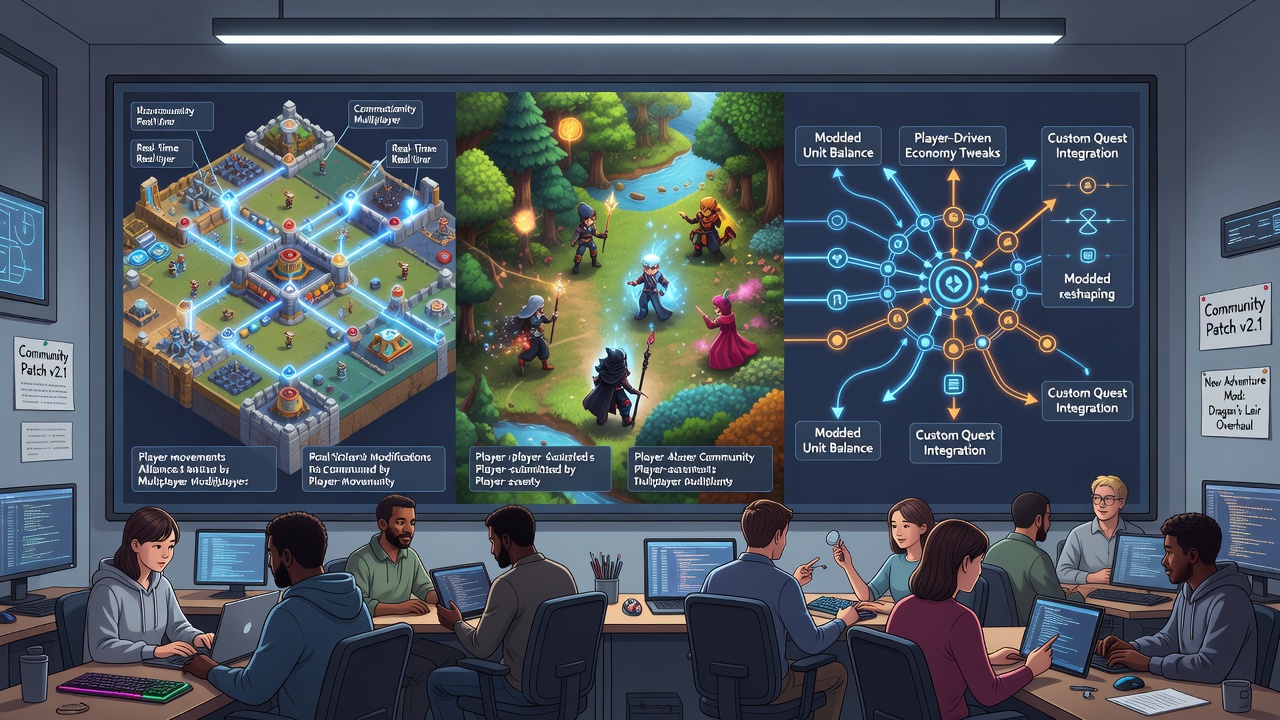
Modding Communities Reshaping Multiplayer Dynamics in Browser Strategy and Adventure Games
Community modding practices have gained traction in instant-play strategy and adventure web games since the mid-2020s, with developers noting increased integration of player-created content into core multiplayer systems, and data from industry reports indicates that these modifications often alter team coordination patterns, resource management rules, and exploration mechanics in browser environments that require no downloads.
Expansion of Modding Tools in Web Platforms
Browser-based game engines have incorporated accessible modding interfaces that allow users to adjust variables such as unit behaviors, puzzle solutions, and map layouts without altering base code, while platforms hosting these titles have documented rises in shared modification repositories that players access through integrated forums and version control systems. Researchers at institutions including those affiliated with European digital media studies have tracked how these tools enable rapid iteration, and figures from 2025 surveys show that over 60 percent of active multiplayer sessions in select strategy titles incorporate at least one community modification during peak hours.
Mod developers frequently release patches that introduce new faction alliances or hidden pathways in adventure segments, and these changes propagate through real-time updates that synchronize across player groups, which in turn affects how teams allocate roles during competitive matches. Observers note that such practices have led to standardized mod approval processes on major hosting sites, ensuring compatibility while preserving the instant-access nature of the games.
Effects on Team Coordination and Competition
Modifications that tweak communication channels or add shared inventory systems have shifted multiplayer dynamics in strategy formats, as players adapt tactics around these additions during sessions that last from minutes to hours. Data compiled by the Interactive Software Federation of Europe reveals that titles supporting community mods experienced a 35 percent increase in repeated group participation rates between 2024 and 2026, particularly in environments where mods introduce asymmetric objectives that require precise timing and division of labor among participants.
One documented case involved a series of adventure web games where modders added environmental hazards that forced teams to reroute strategies mid-session, and subsequent analysis showed measurable changes in win rates when groups employed these alterations versus standard rulesets. Yet the same studies indicate that not all modifications achieve widespread adoption, since compatibility issues sometimes limit their use to smaller player clusters.
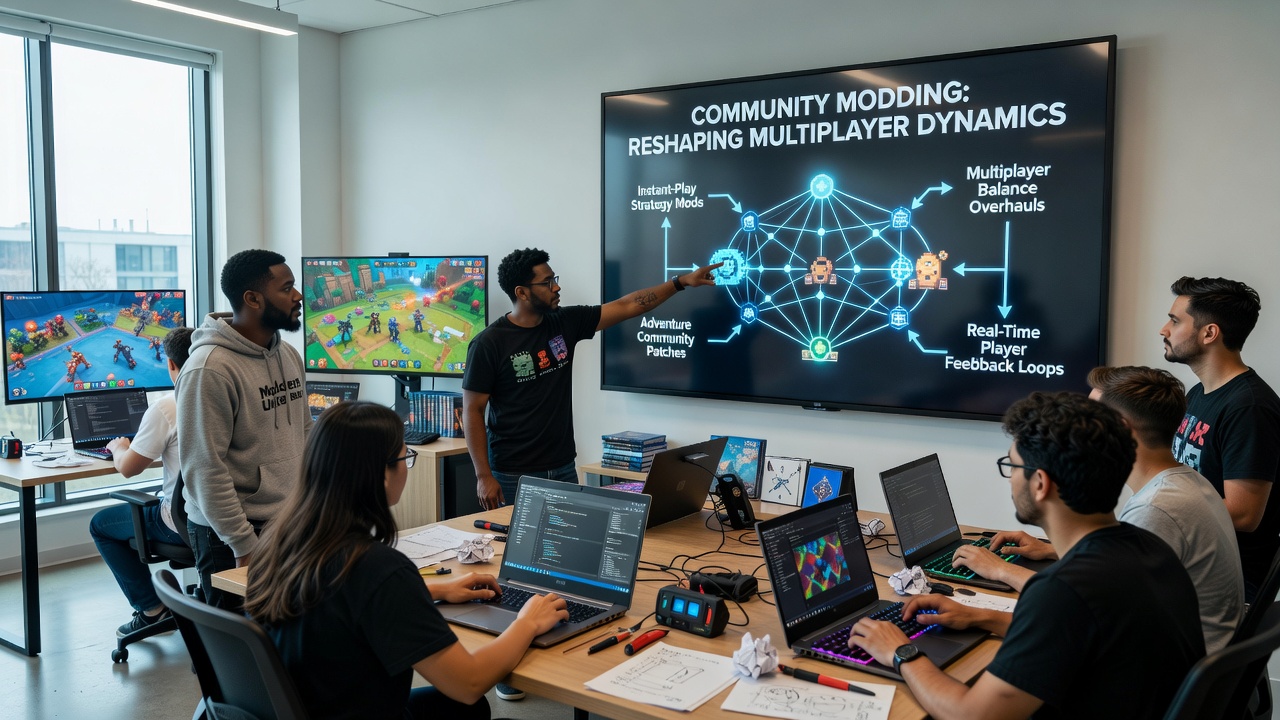
Integration Patterns Observed in October 2026
During October 2026, several web game platforms reported spikes in mod submissions coinciding with seasonal events, and these updates often layered puzzle elements onto existing racing or exploration hybrids that already featured multiplayer strategy components. Academic reviews from Canadian research centers have examined how such seasonal mods influence long-term engagement, with statistics showing that communities using collaborative editing tools sustained higher retention across international user bases compared to those relying solely on developer content.
Modding groups have also introduced randomization factors that vary enemy placements or resource spawns, and these adjustments have prompted players to develop flexible decision frameworks that carry over between different game sessions. Evidence from aggregated platform metrics suggests that these practices contribute to evolving meta-strategies, where early adopters of specific mods gain temporary advantages until balancing adjustments occur through further community input.
Challenges in Maintaining Balance and Accessibility
While modding expands creative options, platform operators have implemented review mechanisms to prevent disruptions to fair play, and reports from Australian interactive entertainment associations highlight instances where unchecked modifications led to temporary server instability in high-traffic adventure titles. Developers respond by publishing guidelines that outline acceptable parameter changes, which in turn encourages modders to focus on additive rather than subtractive elements.
Accessibility remains a consideration as well, since some modifications require additional browser extensions or higher processing power that may exclude certain user demographics. Studies conducted across multiple regions indicate that inclusive design practices, such as optional mod toggles, help preserve broad participation while still allowing experimentation.
Future Trajectories for Community Contributions
Analyses project continued growth in mod-supported web games through the late 2020s, driven by advancements in cloud-based scripting that simplify distribution of player alterations. Industry organizations tracking these trends emphasize the role of open data standards in facilitating cross-game mod portability, and this development could further reshape how multiplayer groups approach strategy layers in adventure contexts.
Conclusion
Community modding practices continue to influence multiplayer dynamics in instant-play strategy and adventure web games through structured toolsets, documented participation metrics, and iterative content updates that adapt to player needs. Ongoing observations from varied research sources point to sustained evolution in team interactions and competitive frameworks as these practices mature.