Skill Transfers Across Platforms: Browser Strategy Hybrids and Amateur Team Sports Training Protocols
Written by Ben Schröder · Nov 6, 2026
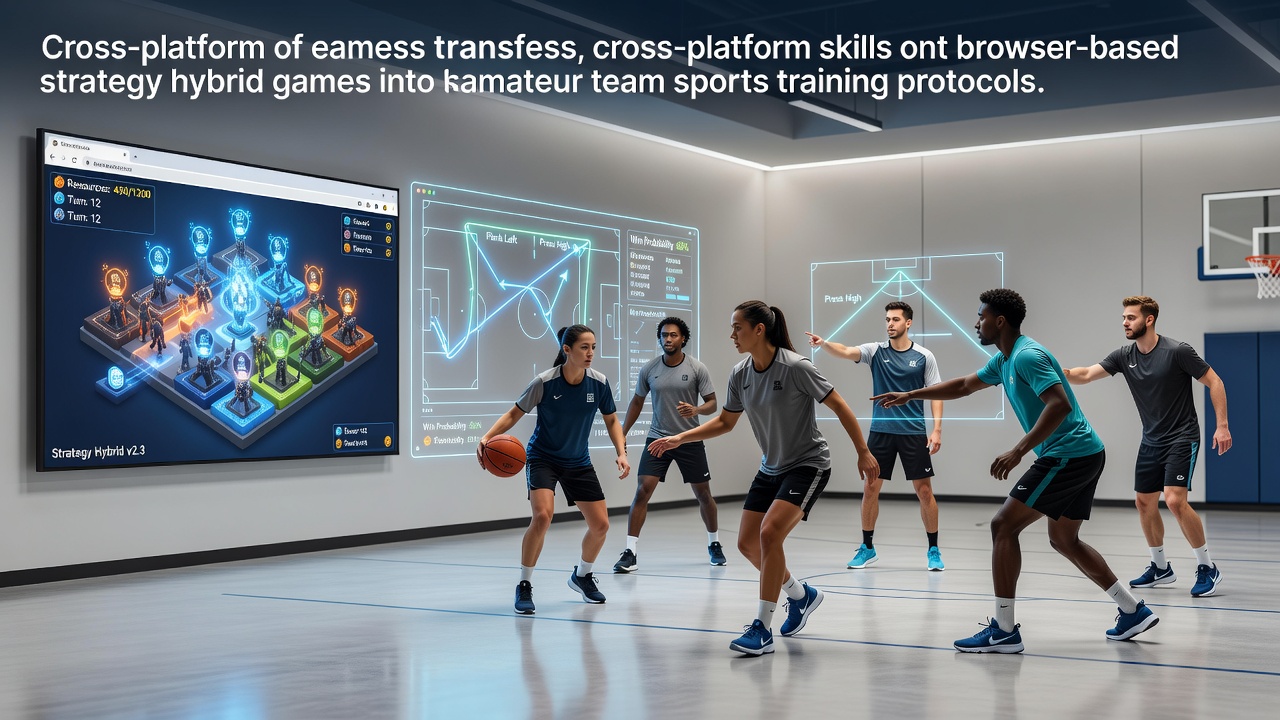
Skill Transfers Across Platforms: Browser Strategy Hybrids and Amateur Team Sports Training Protocols
Browser strategy hybrids combine puzzle mechanics with real-time decision layers, and these titles run directly in web browsers without downloads or installations. Players navigate resource allocation, opponent prediction, and coordinated timing within short sessions that repeat across multiple rounds. Researchers track how these patterns influence cognitive processing, and studies show measurable gains in spatial awareness alongside faster response selection when participants later apply similar frameworks to physical drills.
Core Mechanics in Browser Strategy Hybrids
Hybrid formats layer tactical elements over arcade-style movement, which creates repeated cycles of planning followed by immediate execution. Data from international player communities indicate that randomization algorithms within these games encourage adaptive decision patterns, while multiplayer components require shared timing and role differentiation. Observers note that sessions lasting under ten minutes still produce sustained engagement because each round demands fresh strategy adjustments based on prior outcomes.
Those who study game telemetry report that visual processing speed increases after consistent exposure to layered interfaces, and this improvement appears in metrics such as target acquisition and peripheral monitoring. The same players often demonstrate steadier performance during amateur training protocols that incorporate rapid repositioning and ball distribution tasks.
Documented Cognitive and Motor Skill Overlaps
Amateur athletes in team sports frequently encounter training modules that emphasize anticipation and collective positioning. Browser strategy hybrids train parallel skills through map control, unit coordination, and timing windows, and evidence suggests these abilities transfer when drills replicate similar constraints. A 2025 report compiled by the Australian Institute of Sport examined junior soccer squads that integrated short browser sessions before field work, and results showed elevated accuracy in passing sequences compared with control groups that skipped the digital component.
Visual attention networks activated during hybrid gameplay overlap with demands placed on defenders tracking multiple attackers. Canadian research councils released preliminary findings in late 2025 that linked repeated puzzle-strategy exposure to reduced reaction latency during small-sided games. Participants maintained higher success rates when switching between defensive and offensive roles because the browser formats had already reinforced flexible priority setting.
Implementation in Training Protocols
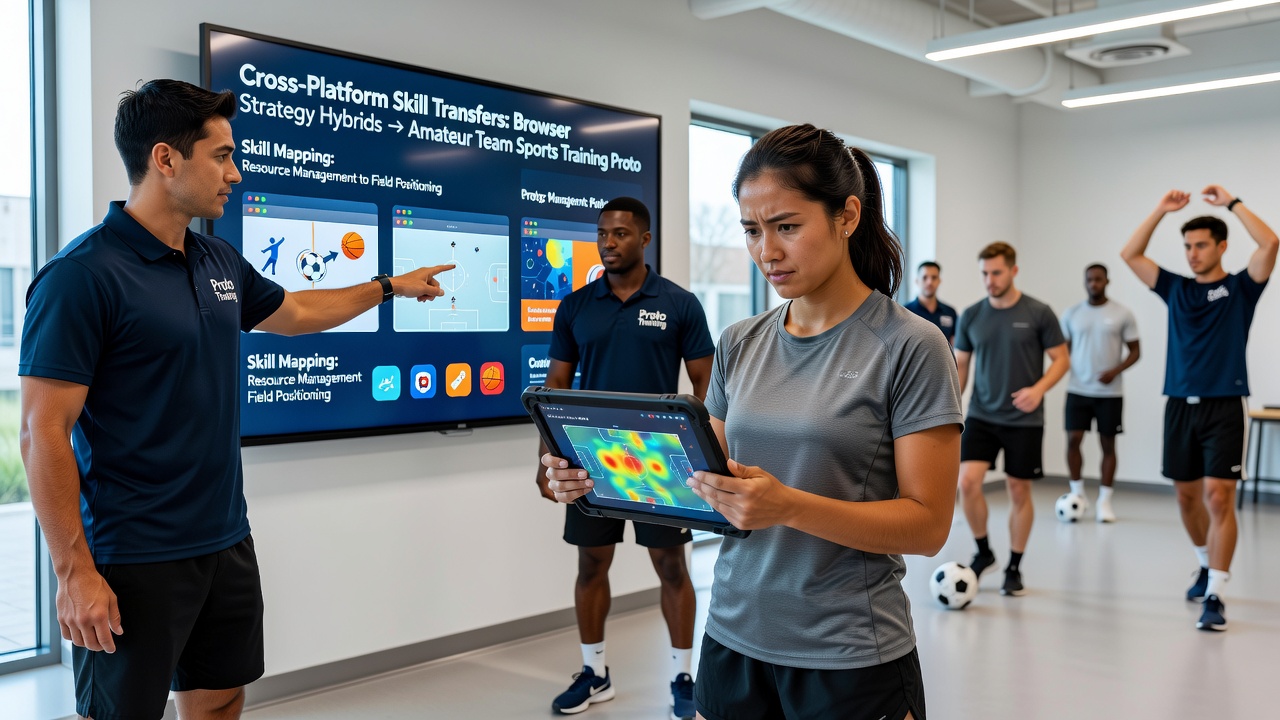
Coaches integrate browser hybrids by scheduling brief pre-session modules that mirror upcoming tactical themes. For basketball programs, players complete rounds requiring zone coverage decisions before transitioning to court spacing exercises. European sports federations documented similar approaches in volleyball academies during 2026, where randomization in the digital layer prompted athletes to adjust blocking patterns more fluidly once on the court.
November 2026 brought additional data from a collaborative project spanning North American and Asian training centers. The study tracked over 400 amateur athletes across six months and found consistent carryover in decision speed during set-piece rehearsals. Teams that alternated browser rounds with physical repetition recorded fewer unforced errors than groups relying solely on traditional drills. The protocol emphasized voluntary participation and post-session debriefs that connected in-game choices to on-field adjustments.
Measurement and Longitudinal Patterns
Performance tracking relies on wearable sensors and video analysis that quantify movement efficiency and choice latency. Researchers compare baseline scores against post-intervention results, and figures reveal sustained gains when athletes maintain weekly browser exposure alongside field time. Those who studied engagement logs note that players who varied their in-game roles showed broader transfer effects, particularly in sports requiring positional flexibility such as field hockey and rugby sevens.
Academic sources continue to examine dosage effects, with some protocols limiting digital segments to fifteen minutes to avoid fatigue. Data collected through university-affiliated labs indicate that cognitive benefits plateau after roughly eight weeks unless the browser content introduces new variables that maintain challenge levels.
Conclusion
Cross-platform skill transfer operates through shared demands on attention, prediction, and coordinated response. Browser strategy hybrids supply repeatable environments where these capacities develop, and amateur team sports protocols increasingly incorporate them as preparatory or supplementary tools. Continued monitoring by research institutions will clarify optimal integration methods and identify which sports derive the clearest advantages from this approach.